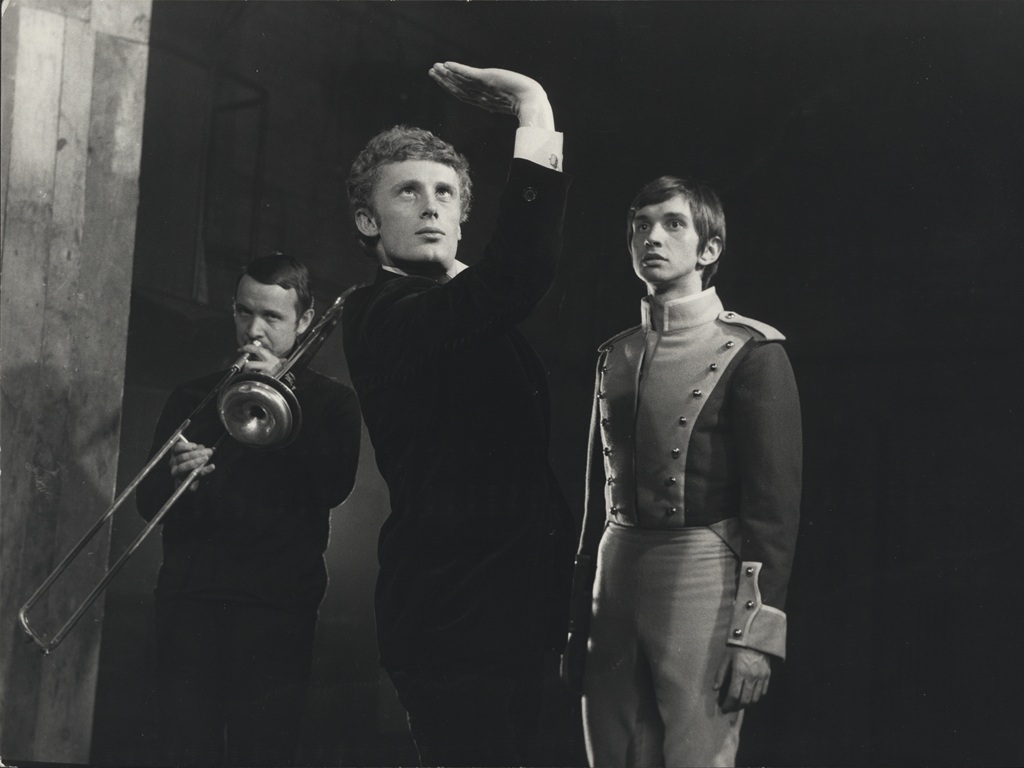
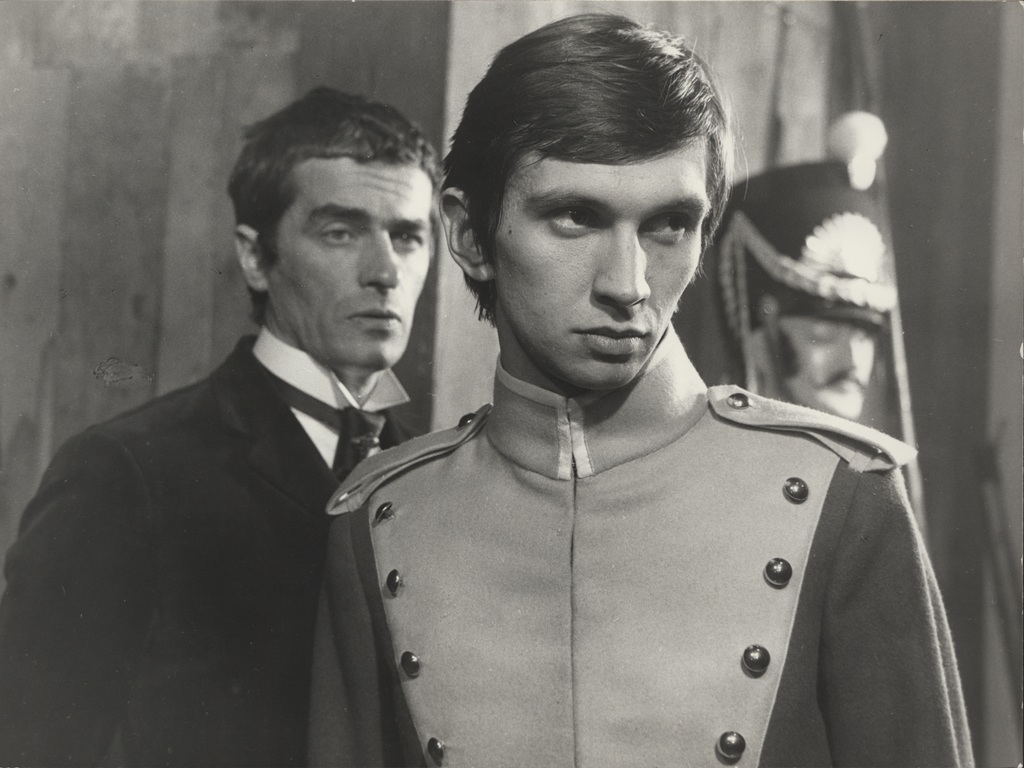
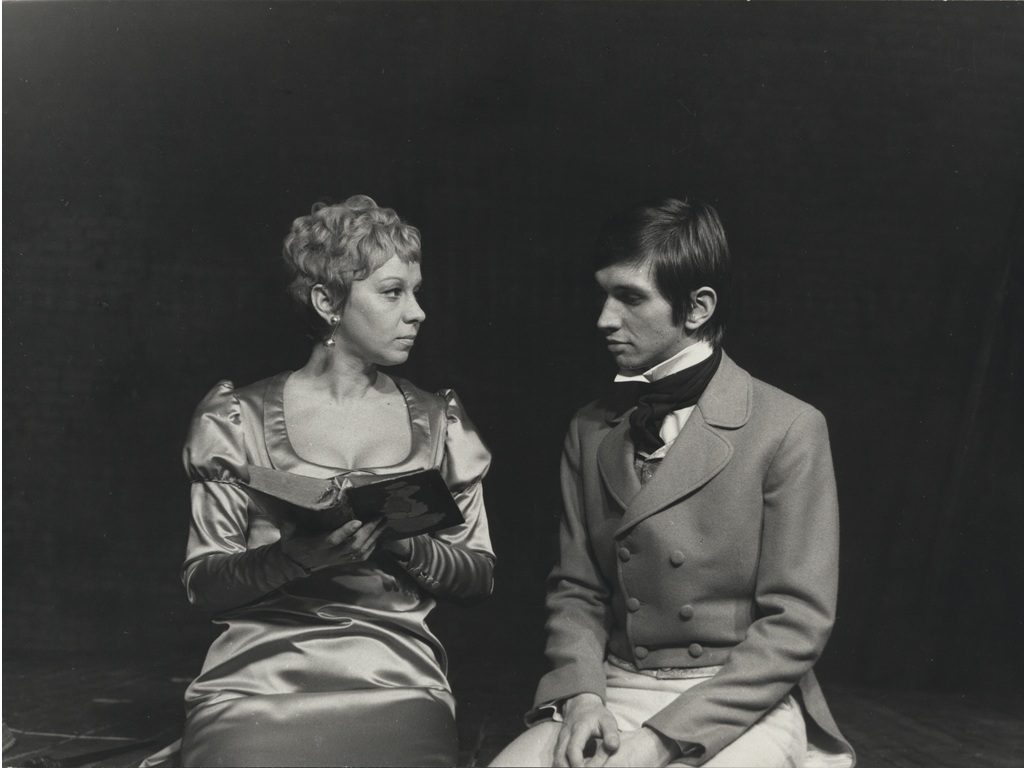
Premiera: 30 stycznia 1970
Autor: Juliusz Słowacki
Tytuł: Kordian
Reżyseria:
Adam Hanuszkiewicz

Kordian

reżyseria: Adam Hanuszkiewicz
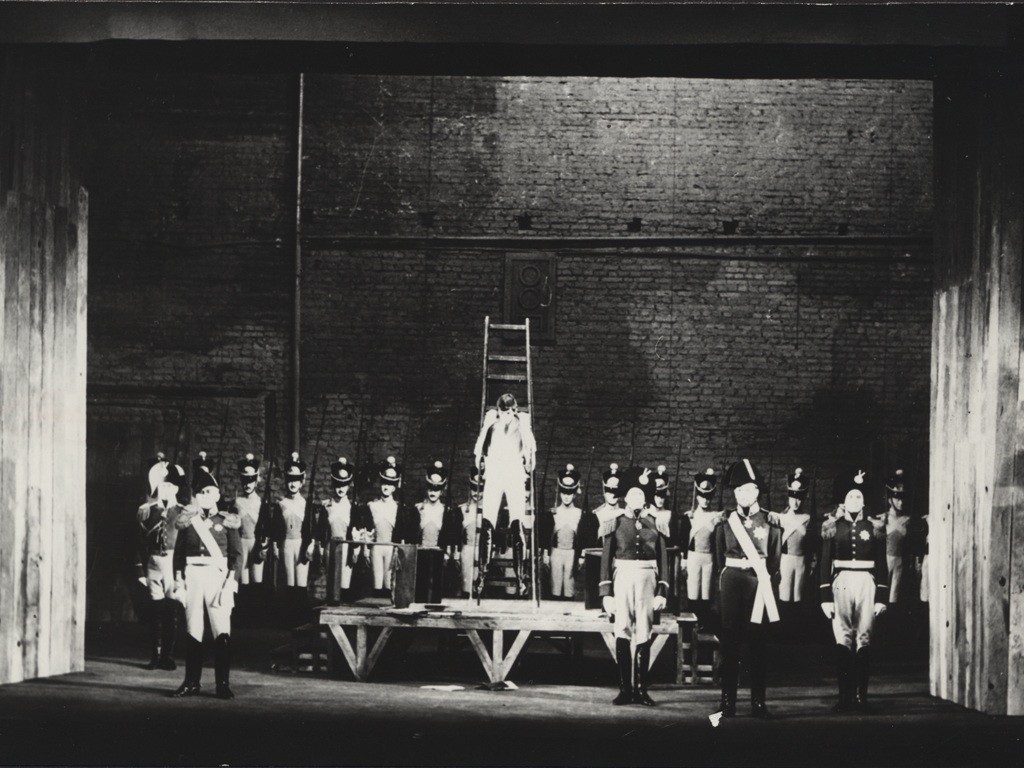
scenografia: Xymena Zaniewska, Mariusz Chwedczuk
muzyka: Andrzej Kurylewicz

Obsada:

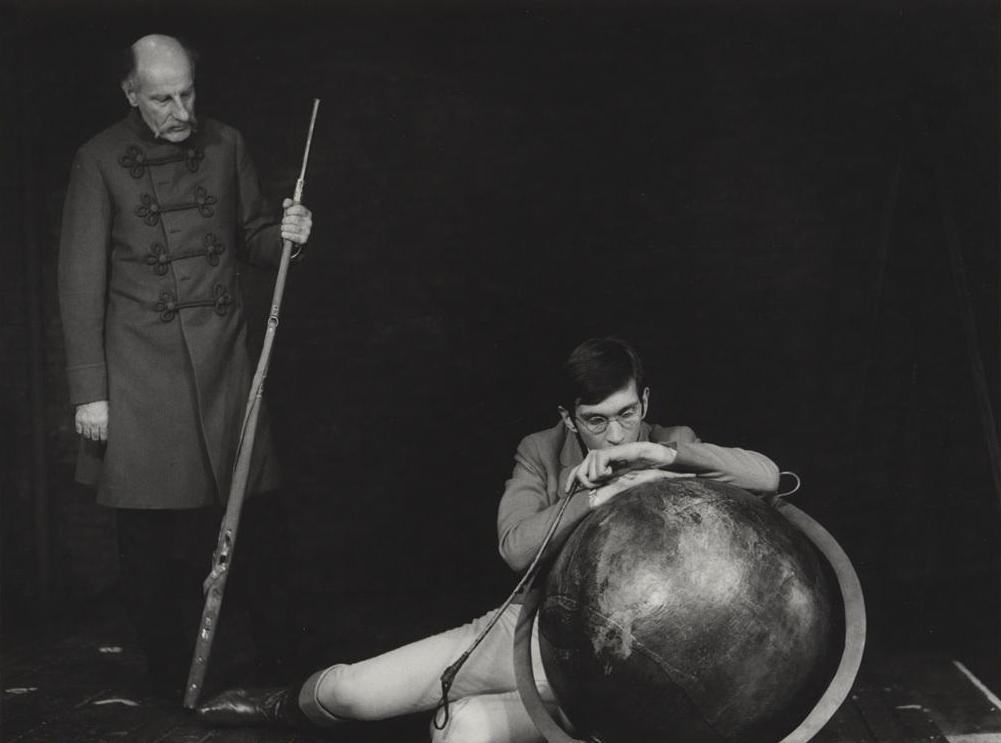
Szatan Józef Fryźlewicz
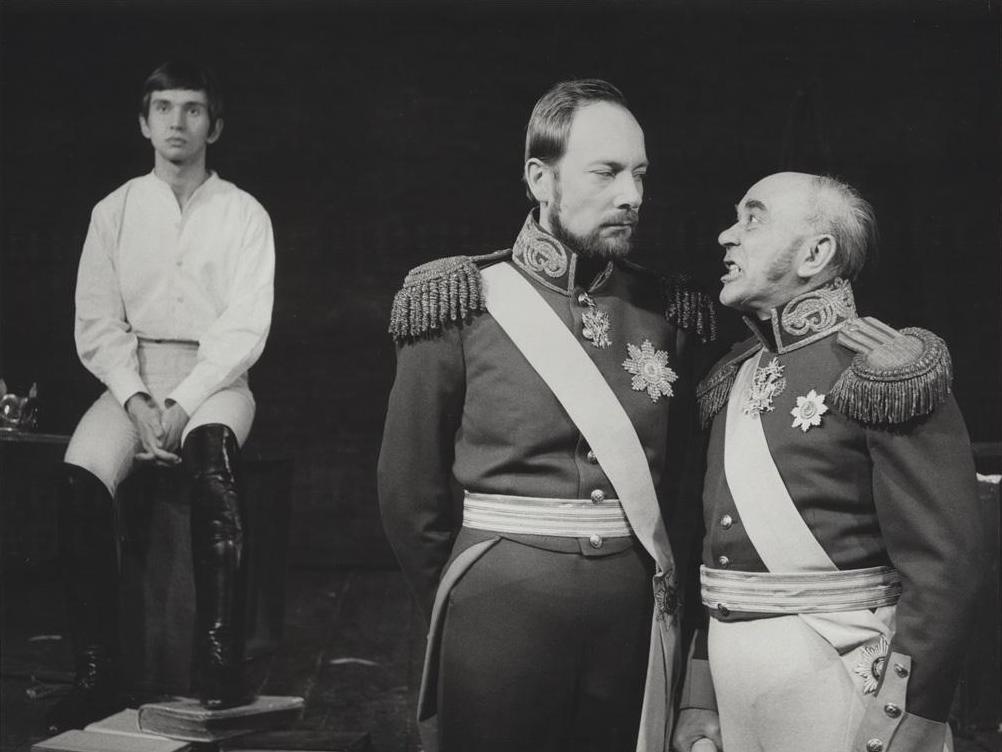
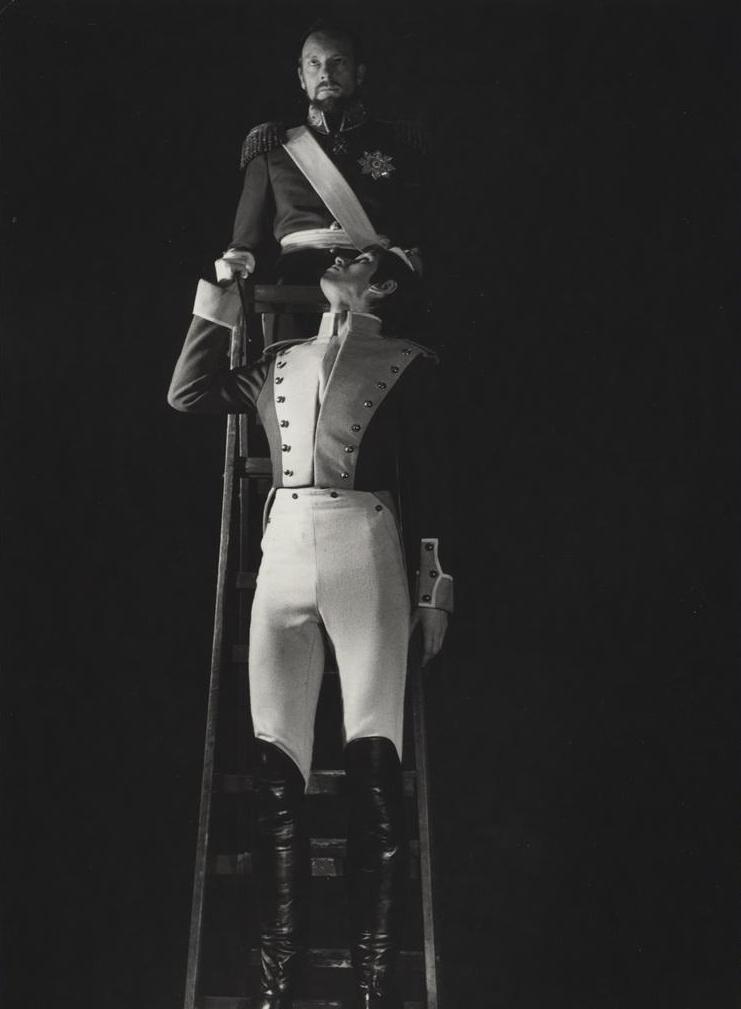
Kordian Andrzej Nardelli
*** Adam Hanuszkiewicz
Grzegorz Adam Mularczyk
Laura Zofia Kucówna
Panna Maria Garbowska
Dozorca Hyde Parku Czesław Lasota
Chór Anita DymszównaElżbieta Borkowska-Szukszta, Barbara Młynarska, Jolanta Russek, Joanna Sobieska
Wioletta Ewa Żukowska
Papież Aleksander Dzwonkowski
Anioł Mieczysław Kalenik
Pierwszy z ludu Jerzy Turek
Drugi z ludu Lech Ordon
Pierwszy Młodzieniec Krzysztof Machowski
Drugi Młodzieniec Karol Stępkowski
Szewc Zdzisław Maklakiewicz /Eugeniusz Robaczewski 
Szlachcic Zbigniew Kryński
Car Jerzy Kamas
Carowa Ewa Skarżanka / Ewa Pokas
Stojący na kolumnie Damian Damięcki
Prezes Henryk Machalica
Biskup Janusz Bylczyński
Szyldwach Aleksander Błaszyk
Spiskowi Tadeusz Czechowski, Marek Dąbrowski, Mariusz Leszczyński, Ryszard Nadrowski, Sylwester Pawłowski, Zdzisław Szymański, Wilhelm Wichurski, Wojciech Zeidler
Imaginacja Daniel Olbrychski / Włodzimierz Bednarski
Strach Krzysztof Wieczorek
Widmo Marek Wojciechowski
Narrator Włodzimierz Bednarski
Wielki Książę Konstanty Seweryn Butrym
Kuruta Władysław Kaczmarski
Oficerowie Władysław Ebert, Kazimierz Zarzycki
Ksiądz Andrzej Bogucki

Realizatorzy:

asystent reżysera: Jacek Domański
zespół muzyczny w składzie: Andrzej Kurylewicz (puzon), Andrzej Piela (puzon), Jacek Bednarek (kontrabas), Janusz Trzciński (perkusja)

Galeria:
Bibliografia:

Danowicz Bogdan, „Kordian” Hanuszkiewicza, „Argumenty”, 1.03.1970
Frühling Jacek, („Kordian”) Warszawski notatnik kulturalny, „Odgłosy”, 8.03.1970
Greń Zygmunt, Kordian i jego sobowtór, „Życie Literackie”, 22.03.1970
Grodzicki August, „Kordian” po nowemu, „Życie Warszawy”, 3.02.1970
Fik Marta, Dlaczego papież nie śpiewa?, „Teatr”, 16–31.03.1970
Filler Witold, „Kordian” i wątpliwości, „Kultura”, 15.02.1970
Filler Witold, Hałasy i obserwacje, „Żołnierz Wolności”, 14–15.03.1970
Jackiewicz Aleksander, „Kordian” czasu kultury masowej, „Film”, 7.06.1970
Jasińska Zofia, („Kordian”) Warszawskie premiery, „Tygodnik Powszechny”, 29.03.1970
Karpiński Maciej, „Kordian” na nowo odczytany, „Sztandar Młodych”, 2.02.1970
Kelera Józef, „Kordian” nie na Zamoyskiego. Faust i Kordian, „Odra”, 05.1970
Kłossowicz Jan, Kordian przełamał się na szczycie Mont Blanc, „Współczesność”, 18.02.–3.03.1970
Koenig Jerzy, Nie-recenzja, „Express Wieczorny”, 5.02.1970
Kubacki Wacław, Dramat osób i widm, „Miesięcznik Literacki”, 06.1970
Kydryński Juliusz, „Kordian” i „Czajka”, „Dziennik Polski”, 1–2.03.1970
Kydryński Lucjan, Kordian, bój się Boga!, „Przekrój”, 8.03.1970
Polanica Stefan, „Kordian”, „Słowo Powszechne”, 2.02.1970
Przeworska Halina, „Kordian”, „Stolica”, 12.04.1970
Puzyna Konstanty, Show na Zamoyskiego, „Polityka”, 28.02.1970
Sieradzka Zofia, Kłopoty z klasyką, „Głos Pracy”, 26.02.1970
Szydłowski Roman, „Kordian Hanuszkiewicza”, czyli cierpienie polskiego Wertera, „Trybuna Ludu”, 1.02.1970
Tkaczuk Wacław, Kordian odmieniony, „Za i Przeciw”, 8.03.1970
[Toeplitz Krzysztof Teodor]  KTT, Demonstracja reżysera przeciwko ozdobnikom, „Trybuna Robotnicza”, 7–8.03.1970
Zagórski Jerzy, Między zabawą a patosem, „Kurier Polski”, 3.02.1970
[Żmudzka Elżbieta] (El. Żm.), „Kordian”, „Zwierciadło”, 15.02.1970
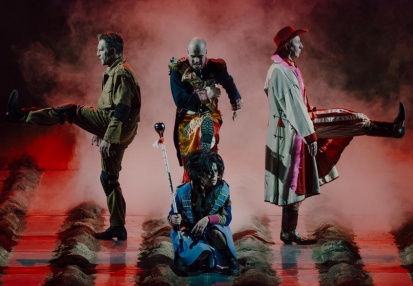
  • DRIVE YOUR PLOW OVER THE BONES OF THE DEAD

    As one of the most acclaimed books by Polish Nobel laureate Olga Tokarczuk, directed by Ewa Platt. 

  • MEN EXPLAIN THINGS TO ME

    Klaudia Gębska stages the play based on the most famous collection of essays by Rebecca Solnit. 

  • THE POLISH THERMOPYLAE

    In his first play at the National Theatre, director Jan Klata has opted for Tadeusz Miciński's The Polish Thermopylae

  • INFINITE JEST

    Premiere staged by Kamil Białaszek. His work intersects with a legend of postmodernism, David Foster Wallace. 

  • CHARLATANS

    “When I’m not acting, life is black and white,” says the heroine of Pablo Remón’s play. Charlatans directed by Grzegorz Małecki 

  • HAMLET

    Jan Englert crowns his twenty-eight seasons of artistic work at the National Theatre with a performance of Hamlet.

  • HEAVEN AND HELL

    Although Maria Wojtyszko's play touches upon the painful subject of losing loved ones, Jakub Krofta's deft staging provides light entertainment for the whole family. 

  • OTHER DELIGHTS

    This adaptation of the novel Other Delights is the second staging of one of Jerzy Pilch's works at the National Theatre, following The Holy Father's Skis.  

  • FAUST

    Faust is a story based on an ancient legend of a scholar who yearns so much for just a moment of happiness that he makes a pact with the devil. 

  • A DREAM PLAY

    After the well-received Alice's Adventures in Wonderland, Sławomir Narloch returned to the National Theatre with another premiere – A Dream Play by Strindberg.


  • KING LEAR

    King Lear may be Shakespeare's boldest examination of human nature. Jan Englert will play the title role in the National Theatre's production.

  • WAITING FOR GODOT

    "What do we do now? Wait. [...] We're waiting for Godot". Piotr Cieplak directs Waiting for Godot by Beckett. Is this a classic yet? Does it still have its avant-garde power?

  • FREDRO: THE JUBILEE YEAR

    To celebrate 230 years since Aleksander Fredro's birth, the National Theatre invites you to an evening dedicated to the life and works of Poland’s greatest comedy writer. 
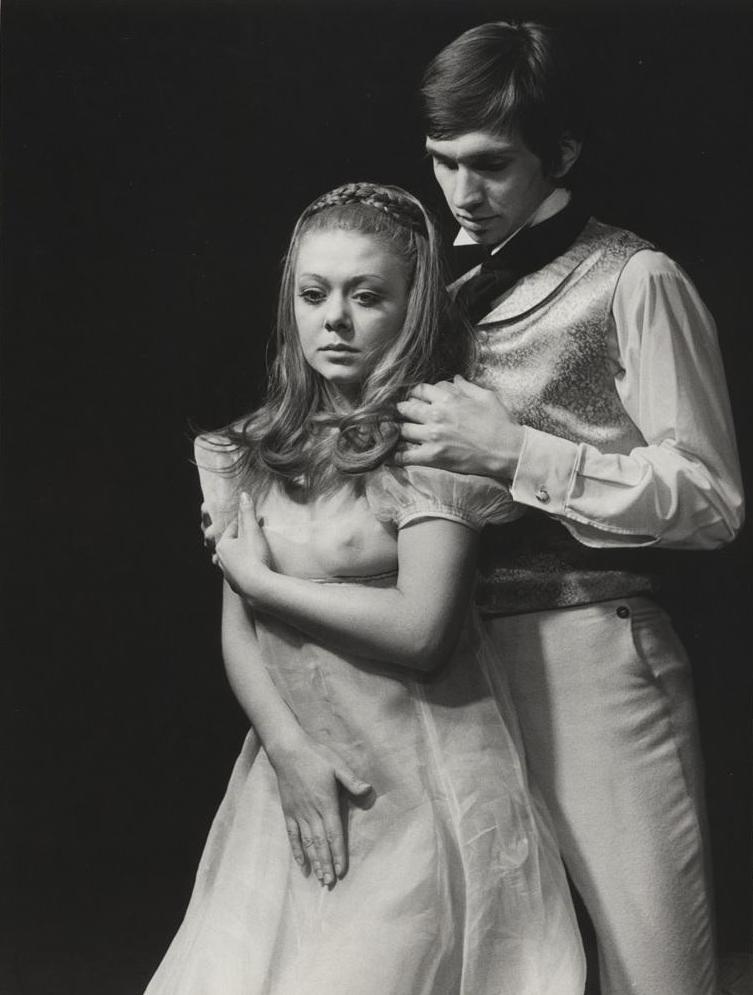
  • TALES FROM THE VIENNA WOODS

    Małgorzata Bogajewska directs for the second time at the National Theatre. This time she draws on Ödön von Horváth's 1931 drama.

  • THE THEATRE MAKER

    The play by Thomas Bernhard, one of the most outstanding playwrights of the second half of the 20th century. In the title role – Jerzy Radziwiłowicz. 

  • ALICE'S WONDERLAND

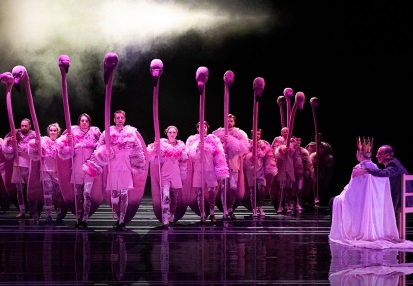
    Have you ever quarreled with the Time or visited a forest where things have no names? Alice’s Wonderland is a musical performance based on the famous novel by Lewis Carroll. 

  • THE MISANTHROPE

    Jan Englert stages a classic play by Molière. What is Alcest's misanthropy: an uncompromising commitment to the truth or a doomed uprising against social conventions?

  • THE DECALOGUE

    A meditation upon the moral foundations of the present – an iconic work of Polish cinema, rethought thirty-five years after its creation by Krzysztof Kieślowski and Krzysztof Piesiewicz. 

  • MARY STUART

    Grzegorz Wiśniewski returns to the classic drama about human passions interwoven in a ruthless machinery of history and intrigue.

  • MÜNCHHAUSEN FOR ADULTS

    Baron von Münchhausen lived in the 18th century and told incredible stories about himself. Maciej Wojtyszko directs his own play about the famous adventurer and mystifier.

  • Solidarity with Ukraine | Солідарні з Україною

    The ensemble of the National Theatre stands in solidarity with the Ukrainians who are fighting for the independence of their homeland.

  • PICNIC AT HANGING ROCK

    1900. On a hot, stormy day, Mrs Appleyard's boarding school residents go on a picnic near Hanging Rock. The new theatrical version of the Australian prose classics. 

  • SNAKE SKIN

    Artur Urbański directs his own play which main character is Ruth Berlau, one of Bertolt Brecht's closest associates and life companions.

  • AUTUMN SONATA

    A story about the need for love and acceptance, about an inherited emotional coldness, about the psychological costs of creativity. A theatrical version of a film script by Ingmar Bergman. 

  • MOTHER JOAN OF THE ANGELS

    A performance about the need to experience something that surpasses us. In the title role of the prioress – Małgorzata Kożuchowska. 

  • HOW TO BE LOVED

    This is the performance about love and moral responsibility for another person as well as the mechanisms controlling human memory. The dramatisation of the story by Kazimierz Brandys.


  • LUNGS

    Briliant, full of humour and touching love story of a young couple. Breakups and comebacks, passion and sex, the first important decisions and the search for meaning in a complex, modern world.


  • UHLANS

    The Museum of All-Time Polish Uhlans. Exhibits of the national exacerbation. A serious comedy in three acts about the entanglement in myths of Polishness. 


  • THE IMAGE MAKERS

    The truth about the essence of creation and responsibility in art. Director Viktor Sjöström is working on the film The Phantom Carriage, based on the novel by Nobel Prize winner Selma Lagerlöf. 

  • FOREFATHER'S EVE

    Mickiewicz's poetic drama interpreted by Lithuanian Master Eimuntas Nekrošius — theatre visionary known for his unique theatrical language.


  • KORDIAN

    The Polish nation's tragic choice: to die heroically in the name of a noble idea or live a life "making shoes for dogs"? — the alternative presented to Kordian in two parables.

  • FLEA THE SWINDLER

    Tremendous fun and great laughs – not just for kids. The antics of the Flea are directed by Anna Seniuk with the music composed by Maciej Małecki.